The door is open, so why is it hard to walk in?
Some people hesitate in front of the sentence ‘anyone can start’. Three sentences, rethought, for the person learning something for the very first time.

Picture a classroom you are walking into for the first time. The door is open, and inside people are talking. There are empty seats. And still you cannot quite step in. You don’t know whether to take your shoes off, whether you may sit anywhere at all, or what you have already missed by arriving now.
Beginning to learn something has moments like that. The explanation is kind, and the start button is large. What is not written down is where the explanation begins, and what you are expected to know already.
What is needed then — a louder ‘welcome’? Or the small note that says ‘you may sit here’?
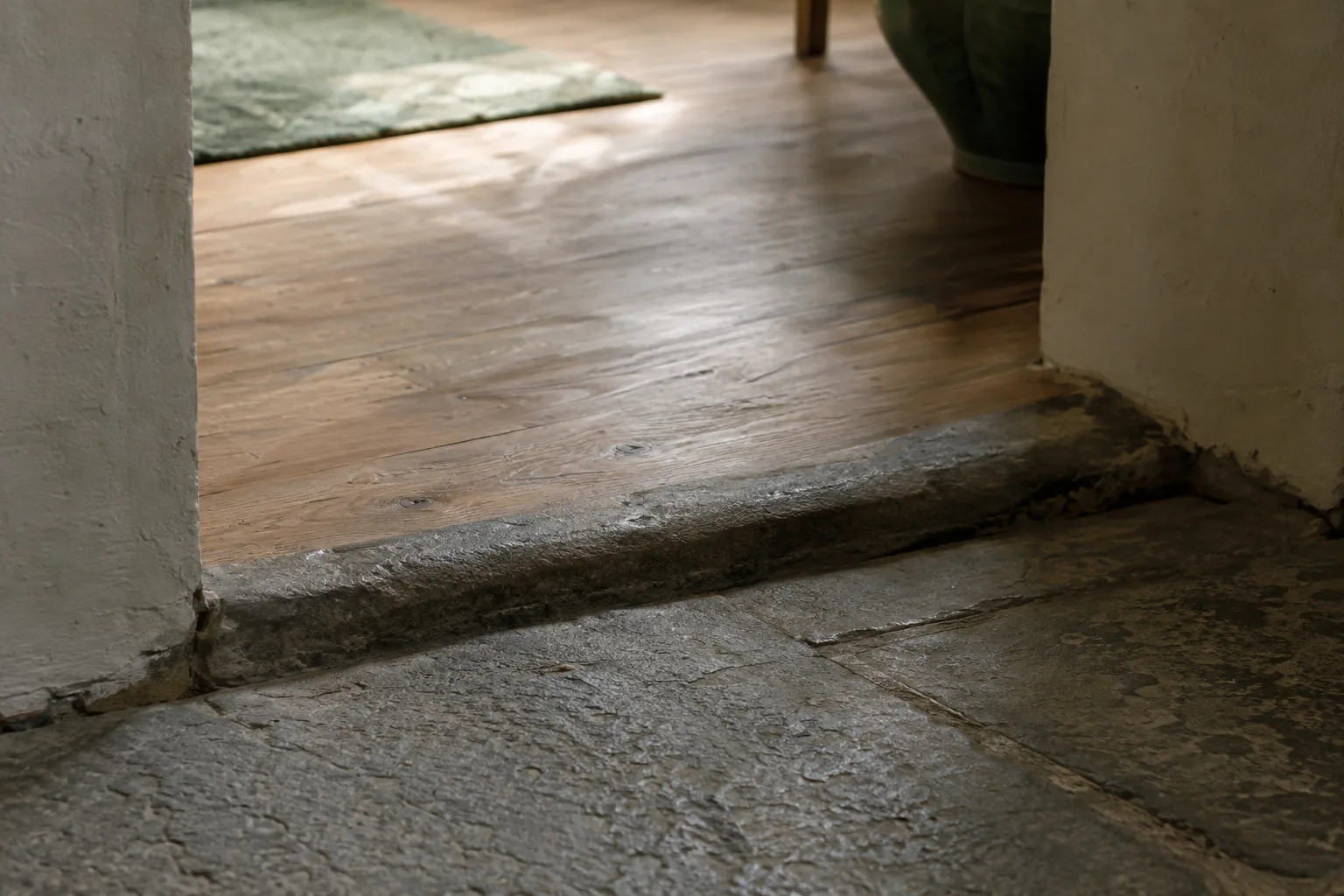
02 / 05 Some heights only show themselves up close.
Pause on this sentenceEven an open door
could do with a note on how to come in.
A beginner needs an order to follow
To someone who knows their way around, ‘starting’ is a single action. To someone doing it for the first time, it can be a fork with several branches. What do I press, what do I need to hand, can I get back if I press the wrong thing — that is what comes to mind first.
Not everything has to be explained at once. One visible thing to do now is enough. To holding the door open, try adding a line that marks where the first step goes.
If it reads like thisStart whenever you like.
Try writing it like thisRead the first example to begin with. Nothing to prepare.

03 / 05 A start is the one step in front of you.
Put the conditions beside the word ‘anyone’
Someone with a quiet hour and someone glancing at a screen in snatches can read the same guidance quite differently. Someone meeting an unfamiliar word, someone who only has a phone — each of them needs something different explained.
Before we say anyone can do this, it is worth asking who we pictured as we wrote it. Say up front how long it takes and what is needed, and readers can choose a beginning that fits their own life.
If it reads like thisAnyone can learn this easily.
Try writing it like thisThis example reads perfectly well on a phone. It comes in three paragraphs, so one at a time is fine.

04 / 05 Even one room takes the light in different ways.
Leave a note where people get stuck
You can know that a question has formed and still not know what words to put it in. To ‘do ask, any time’, try adding a small frame for getting the question started.
If people can say which part they haven’t understood yet, the learning can carry on from there. Guidance that spares a newcomer a long hesitation is worth thinking about.
If it reads like thisAsk if you don’t understand.
Try writing it like this‘I follow up to here, but I’m lost from this word on’ is a perfectly good way to begin.

05 / 05 A small sign that you may sit here.
The question to take away today
In the explanation you handed over,
can a beginner see where the first step goes?
Think of one line of guidance you wrote recently. Add a single line more: what to do first.