The ₩20,000-a-month AI: how many times did you actually open it?
When you sign up, the price is the first thing you look at. A month later, the number of times you used it becomes the more interesting figure. Three imaginary AI subscriptions, compared, to see where the money and the hours are going.

WORK & MONEY / 05
At the moment of payment, there seemed to be plenty of uses for it. Tidying up meeting notes, drafting emails in another language, putting slides together. Then the next billing date comes round and a slightly different question surfaces. How many times did I actually open this thing?
When you are choosing an AI subscription, the feature list runs long and the monthly price is a single line. Once you have paid, that single line repeats every month, but the uses you imagined do not appear of their own accord. Lay out a month of activity and the sums may come out rather differently from how you pictured them.
Three subscriptions in the same month
For the sake of comparison, let us invent three. A costs ₩10,000 a month and was used twice. B costs ₩20,000 and was used twenty times; C costs ₩30,000 and was used three times. These are not the prices or usage records of any real service.
Together the three come to ₩60,000 a month. Divide each fee by the number of uses and A works out at ₩5,000 a go, B at ₩1,000 and C at ₩10,000. The gap opens up because B, though dearer than A, was opened far more often.
On that arithmetic alone, C is the one you would cancel first. But if one of those three sessions was what got an important proposal finished, the verdict may shift. Conversely, if twenty openings produced almost nothing usable, a low cost per use is thin comfort. Next to the tally of uses, it is worth noting what actually got finished.
The work that remains after the answer arrives
Say a draft email appears in a matter of seconds. If polishing the sentences takes five minutes and checking the dates and figures against the original takes another ten, the time spent on that email is not the generation time. This too is an assumption, offered to make the sum clear.
That does not mean fifteen minutes of checking is a loss. You have to weigh it against how long the job would have taken on your own, and how finished it would have been. For someone who struggles to start a draft, simply having a first paragraph to work with may be worth a good deal. But that benefit and the claim to have saved time are two different things.
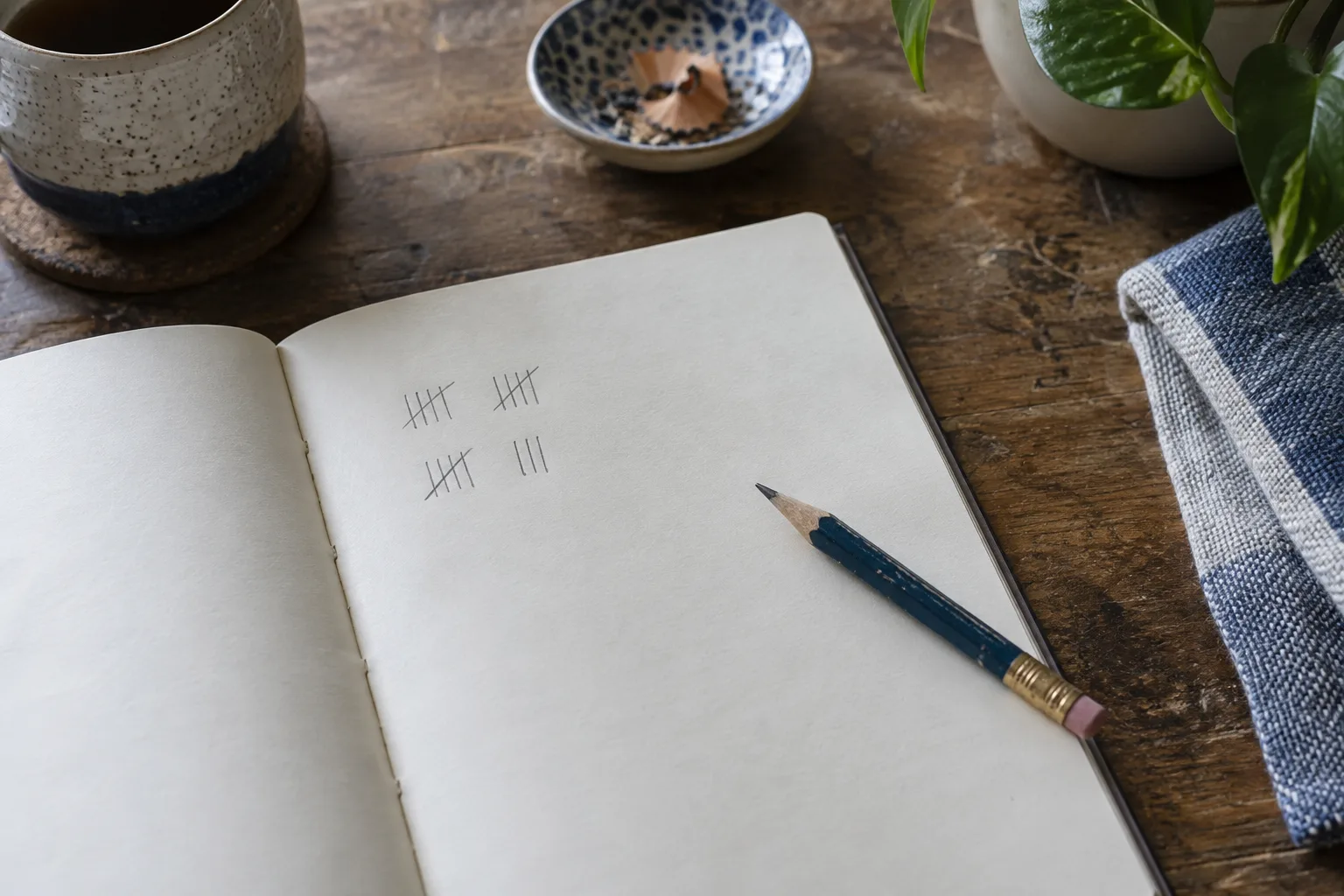
There is no need to time yourself to the second. On days you use it, jot down a line: what the job was, whether you actually used the output, how long the tidying up took. Facing next month's payment, those few lines are firmer ground than memory.

Will there be a use for it next month?
Having used something well this month is not the same as needing it next month. A tool you opened constantly while preparing a presentation may go quiet once the presentation is over. That is the moment when subscriptions kept on the grounds of 'I'll need it eventually' start to pile up.
Before the next payment goes through, try writing one job for next month beside each tool's name. Some will have an obvious purpose, a regular report to draft; others will be blank for now. A blank does not automatically mean cancel, but it is an invitation to look once more at why you are still paying. And if you do decide to change something, check the renewal date and the cancellation terms of the service in question.


Back to the ₩60,000 we started with. You might keep all three, or only one. The answer depends on what the month actually contained. What you want in front of you on the next billing date is not a long list of features but a short record of use. A few lines that say: this is what I finished with it.
A hypothetical comparison put together by the editors · not the prices or usage records of any real service